Oxford, a historic city in the United Kingdom, is renowned for its architectural magnificence that spans centuries. A significant aspect that contributes to the city’s distinguished aesthetic is the quality of its roofing. High-quality roofing not only enhances the architectural appeal but also offers extensive protection against the diverse weather conditions that Oxford experiences. It serves as the first line of defence, safeguarding the buildings and their inhabitants from the elements.
Moreover, quality roofing ensures energy efficiency, thereby reducing the cost of heating and cooling. Proper insulation and ventilation facilitated by quality roofs prevent the accumulation of heat during summers and loss of warmth during winters. This contributes to the overall energy savings, making the buildings more eco-friendly.
Critically, a well-constructed roof acts as a valuable investment, enhancing the property’s resale value. In a city where property values are high, such as Oxford, the quality of the roofing can significantly impact the property’s marketability. Therefore, investing in quality roofing is not an expense, but a prudent, long-term investment.
A Closer Look at Oxford’s Architectural Heritage
Oxford’s architectural heritage is a rich tapestry of various styles ranging from Medieval to Neoclassical, each boasting distinctive roofing types. The city’s skyline is dotted with traditional slate roofs, which are not only aesthetically pleasing but also a testament to the craftsmanship of the past. The Oxford University buildings, in particular, showcase roofs with intricate detailing, displaying a high level of care and precision in their construction.
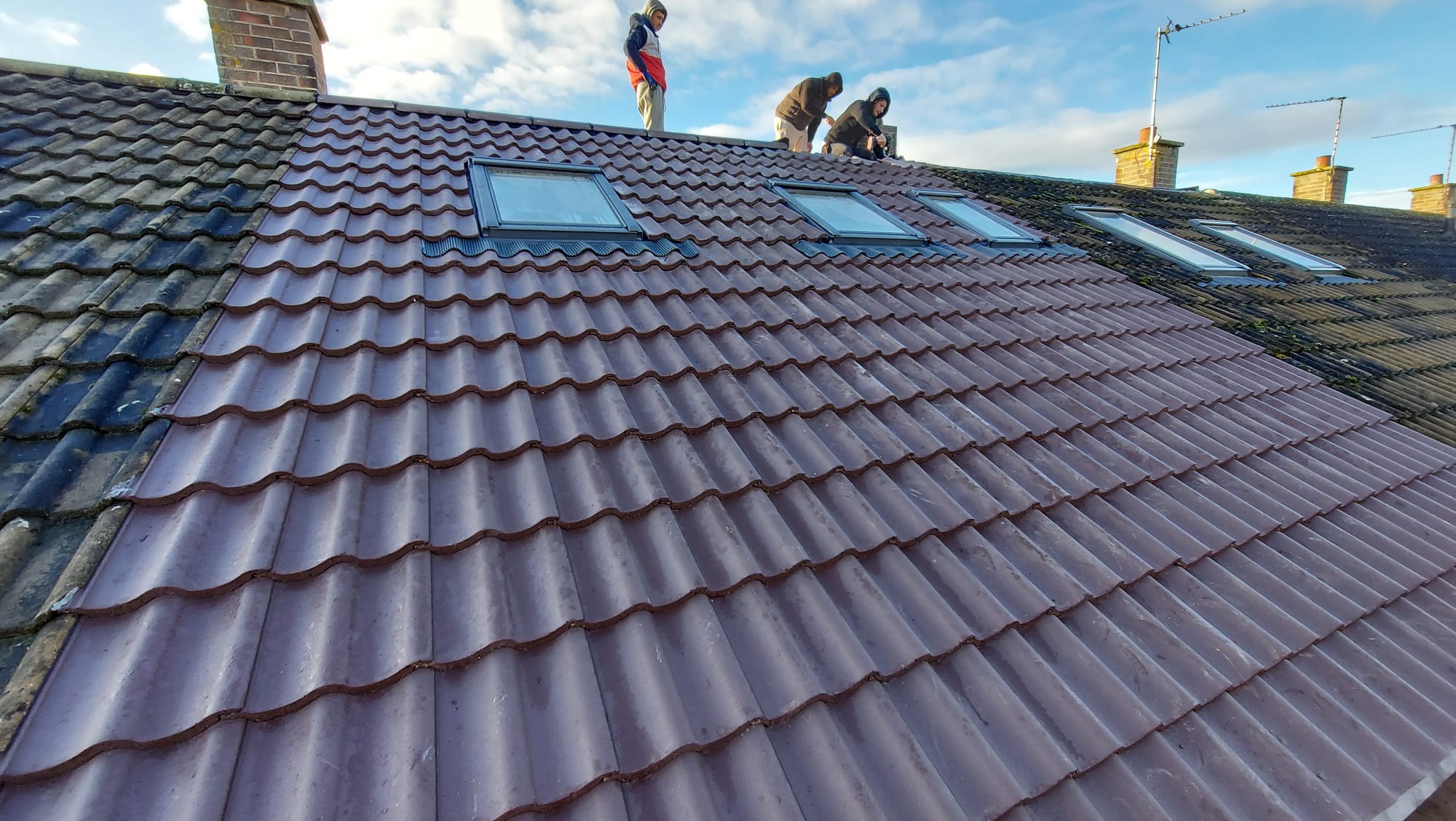
Roofing in Oxford is not merely a functional necessity but an integral part of the city’s historical narrative. The traditional ‘Oxford Tiles’, for example, are a unique roofing style specific to the region. These clay tiles have a distinctive, deep red tone and a slightly undulating surface, adding to the rustic charm of the city’s older buildings.
However, while the city treasures its architectural heritage, it also embraces modernity in its roofing styles. Many newer buildings in Oxford feature contemporary roofing materials and design, reflecting the city’s progressive attitude. Yet, they retain a harmony with the city’s architectural lineage, creating a beautiful blend of old and new.
The Crucial Elements that Define Quality Roofing
Several elements come together to create quality roofing, with durability and weather resistance being prime considerations. A roof’s ability to withstand the elements, from the harsh winter snow to the summer heat, defines its quality. Additionally, a roof that can resist damage from wind and rain can protect the building and its inhabitants effectively.
Quality roofing should also provide adequate insulation and ventilation. This can significantly influence the building’s interior temperature, reducing reliance on heating and cooling systems and increasing energy efficiency. Furthermore, choosing the right roofing material is crucial. The material should not only complement the building’s aesthetic but also cater to its functional requirements.
Finally, quality roofing also needs to be cost-effective. While the initial investment might be substantial, a well-constructed roof reduces maintenance costs in the long run. It also adds to the property’s value, making it a worthwhile investment.
Exploring Different Materials Used in Oxford Roofing
The city of Oxford witnesses a variety of roofing materials in use, each with its own features and benefits. Traditional materials like slate and clay tiles are common, known for their durability and aesthetic appeal. Slate, in particular, offers a timeless charm and can last for over a century with proper maintenance. Clay tiles, on the other hand, provide excellent resistance to fire and are available in a multitude of colours and patterns.
Modern materials like metal and synthetic shingles are also gaining popularity in Oxford. Metal roofs are highly durable, resistant to fire, rot, and insects, and require minimal maintenance. Synthetic shingles, made from recycled materials, provide a cost-effective roofing solution that mimics the appearance of traditional materials like wood or slate.
Thatch, a traditional roofing material, is also used in some parts of Oxford. Thatched roofs offer excellent insulation properties and add a touch of rustic charm to the buildings. However, it requires expert craftsmanship for installation and meticulous maintenance for longevity.
Assessing the Durability of Roofing Materials
When choosing roofing materials, assessing their durability is vital. Slate and clay tiles, for instance, are extremely durable and can last for over a century. However, both these materials are heavy and require a strong structural support. Metal roofing, while being lightweight, can withstand extreme weather conditions and can last for up to 70 years.
Synthetic shingles, although not as durable as slate or metal, can still last for approximately 20 to 50 years, depending on the quality and maintenance. Thatch, on the other hand, requires regular maintenance and replacement every 25 to 40 years, depending on the type of straw used.
It is important to note that the durability of these materials depends significantly on proper installation and regular maintenance. Therefore, employing professional roofing services that understand the nuances of different roofing materials is essential.
Impact of Weather Conditions on Oxford Roofs
Oxford experiences a temperate maritime climate with mild winters and cool summers. This can subject roofs to a range of weather conditions, from rainfall and snow to heatwaves. Quality roofing can withstand these variations and protect the building’s interior from damage.
Roofs in Oxford need to be particularly resistant to wind and rain. The city is known to experience strong winds, which can loosen or blow off roofing materials. Similarly, heavy rainfall can lead to water seepage, causing significant damage if the roof is not properly sealed and waterproofed.
On the other end of the spectrum, heatwaves can lead to roof materials expanding and contracting, which can cause cracks over time. Therefore, choosing materials that can handle these temperature fluctuations is critical.
Maintaining and Preserving the Longevity of Roofs
Regular maintenance is key to preserving the longevity of roofs. This includes frequent inspections for any signs of damage or wear and tear, and prompt repairs to prevent minor issues from escalating. In Oxford, where the weather conditions can vary widely, it’s essential to inspect roofs after severe weather events for any resultant damage.
Maintenance also involves cleaning the roof and clearing any debris that can lead to blocked gutters. Over time, moss and algae can build up on the roofs, particularly on slate and tiles, which can cause damage. Regular cleaning can prevent this build-up and extend the roof’s lifespan.
Additionally, professional roofing services often offer maintenance plans that cover regular inspections and minor repairs. Investing in these services can ensure the roof stays in optimal condition and prolongs its lifespan.
Embracing Innovation: Modern Trends in Oxford Roofing
In recent years, Oxford has started embracing innovative trends in roofing. From sustainable roofing materials to solar roofs, the city is moving towards more eco-friendly roofing solutions. Green roofs, which involve the growth of vegetation on the roof, are becoming increasingly popular. They not only provide excellent insulation but also contribute to the city’s biodiversity.
Solar roofs are another innovative trend, aligning with the global shift towards renewable energy. These roofs integrate solar panels into the roofing material, allowing electricity generation without compromising the building’s aesthetic. This not only reduces the building’s carbon footprint but also cuts down on electricity bills, making it a sustainable and cost-effective solution.
Lastly, smart roofing technology is making its way into Oxford. This includes roofs with integrated sensors for detecting leaks, damage, or temperature fluctuations. This technology allows for prompt detection and repair, preventing extensive damage and ensuring the longevity of the roof.